How Cracks in Concrete Foundations Affect Structural Stability
To prevent structural issues, local concrete foundation crack repair service providers can assess and fix cracks that may compromise your home's stability.
Understanding how cracks in concrete foundations affect structural stability is essential for property owners who want to protect their investments and ensure safety. If you’ve noticed cracks appearing in your foundation, it’s natural to wonder whether they might compromise the integrity of your building. Exploring this topic can help you identify early warning signs and make informed decisions about when to seek professional assistance. Local contractors specializing in foundation repair can evaluate the severity of cracks and recommend appropriate solutions to help maintain the stability of your property.
Many property owners in the area choose to learn about foundation cracks to prevent more serious issues down the line. Small cracks can sometimes be harmless, but they can also indicate underlying problems that, if left unaddressed, may lead to structural concerns. By understanding the impact of foundation cracks on stability, homeowners and business owners can better prioritize repairs and work with experienced service providers who offer reliable foundation crack repair services. Keep reading to discover practical insights and how local experts can help safeguard your property’s foundation.
- Concrete foundation crack repair services are needed when cracks compromise the structural integrity of a building and local contractors assess the severity to determine appropriate solutions.
- These services are crucial if existing cracks threaten to widen or cause uneven settling, with local pros using specialized techniques to stabilize the foundation.
- When signs of shifting or cracking appear, local contractors evaluate how cracks in concrete foundations affect structural stability and recommend repair options.
- Foundation crack repair is essential if cracks indicate ongoing movement that could weaken the overall structure, with service providers applying targeted fixes to restore stability.
- In cases where cracks are causing or could cause further damage, local pros perform repairs that address the root causes and reinforce the foundation’s stability.
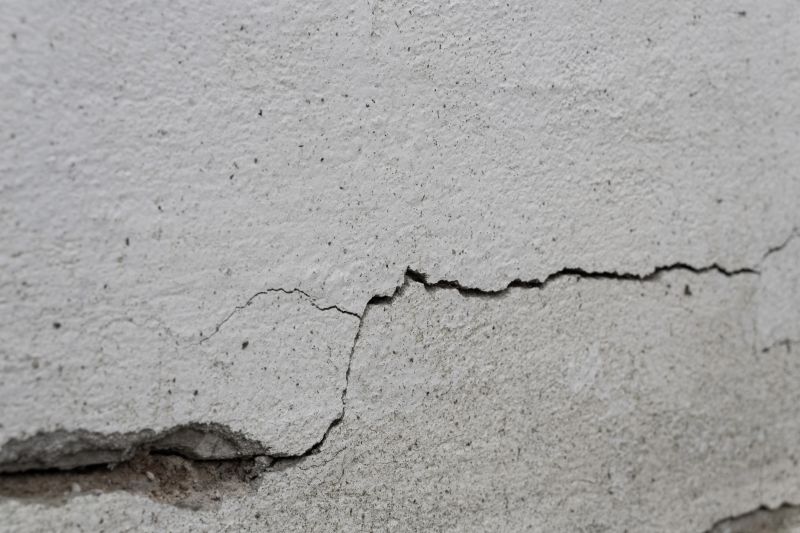
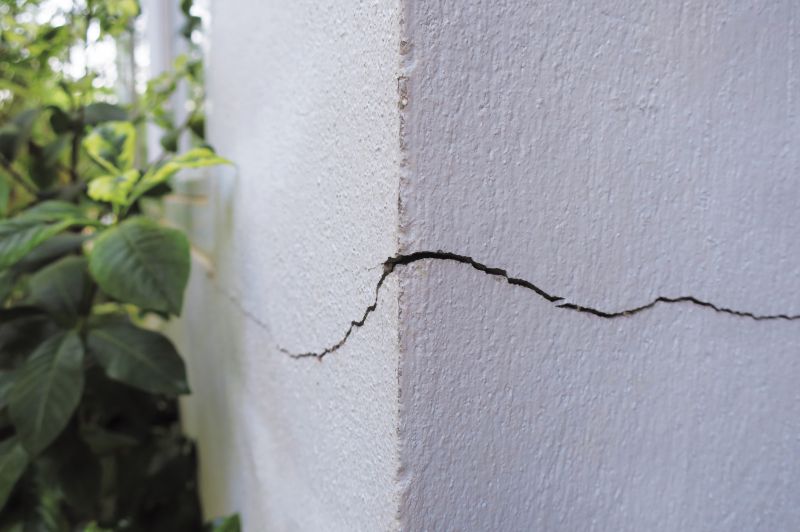
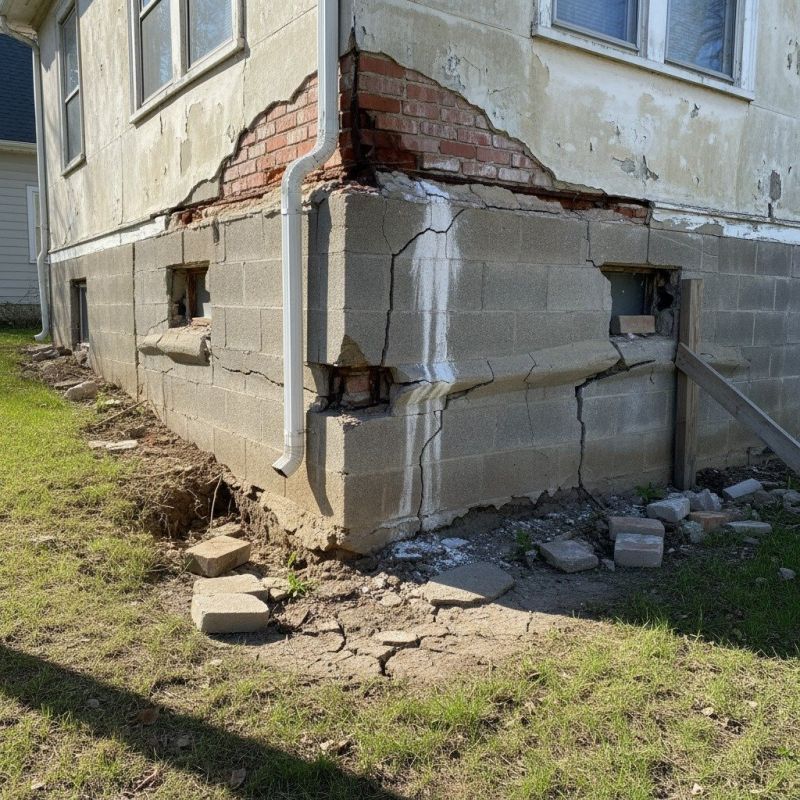
When homeowners search for information about how cracks in concrete foundations affect structural stability, they are typically concerned about the safety and longevity of their property. Cracks in a foundation can vary from small, hairline fractures to large, noticeable splits. People often want to understand whether these cracks are harmless or signs of a serious problem that could compromise the entire structure. This topic is especially relevant for those who notice uneven floors, sticking doors or windows, or other signs of shifting within their homes. Recognizing the potential severity of foundation cracks helps homeowners decide when to seek professional assessment and repair services to prevent further damage.
This issue relates closely to a variety of property problems and planning considerations. Cracks in concrete foundations can be caused by settling, soil movement, moisture fluctuations, or even poor initial construction. If left unaddressed, these cracks may lead to more significant structural issues, such as wall bowing, foundation sinking, or even collapse in extreme cases. Homeowners often explore repair options to stabilize their property and avoid costly future repairs. Understanding how cracks influence the overall stability of a building also helps in planning necessary reinforcement or foundation underpinning, making it an important aspect of property maintenance and renovation projects.
The types of properties most affected by foundation cracks tend to be residential homes, especially those built on expansive soils or in areas prone to ground movement. Single-family houses, townhomes, and even some multi-unit buildings can experience foundation issues that manifest through visible cracks. The location and pattern of cracks-whether vertical, horizontal, or diagonal-can provide clues about the underlying problem. For instance, horizontal cracks might indicate pressure from soil expansion, while vertical cracks could suggest settling. Recognizing these signs allows property owners to prioritize repairs and seek out local contractors who specialize in concrete foundation crack repair, ensuring the stability and safety of their homes.
Professionals who handle concrete foundation crack repair play a vital role in addressing these issues. Local service providers bring experience in diagnosing the cause of cracks and recommending appropriate solutions, such as epoxy injections, crack stitching, or underpinning. These repairs help restore structural integrity and prevent further damage caused by ongoing movement or shifting. Connecting with trusted local contractors ensures that property owners receive tailored, effective solutions suited to their specific foundation problems. Proper repair not only stabilizes the property but also preserves its value and safety, making it a critical step for homeowners facing foundation cracks.
Foundation Repair - Professionals specializing in foundation repair often handle issues related to cracks in concrete foundations and assess their impact on structural stability.
Concrete Resurfacing - Concrete resurfacing projects require knowledge of cracks and damage, making them relevant for addressing foundation-related issues affecting stability.
Structural Reinforcement - Structural reinforcement services often involve stabilizing foundations with cracks that threaten the integrity of a building’s structure.
Basement Waterproofing - Waterproofing contractors frequently encounter cracks in concrete foundations that can compromise structural stability and need proper sealing.
Drainage System Installation - Proper drainage helps prevent foundation settling and cracking, making drainage system services connected to foundation stability concerns.
Soil Stabilization - Soil stabilization projects address ground movement that can cause cracks in concrete foundations and impact overall structural safety.
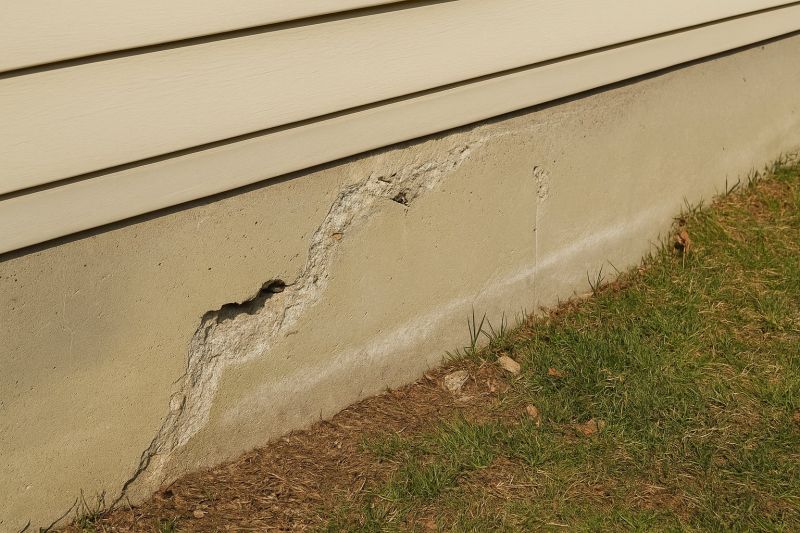
When evaluating service providers for concrete foundation crack repair, it’s important to consider their experience with similar projects. Homeowners should inquire about how long the contractor has been handling foundation repairs and whether they have a history of addressing cracks that impact structural stability. A contractor with relevant experience is more likely to understand the nuances of how cracks in concrete foundations can affect the overall integrity of a home and can recommend appropriate solutions based on the specific conditions present.
Clear and detailed written expectations are essential to ensure that both the homeowner and the contractor share a mutual understanding of the scope of work. Service providers should be willing to outline their recommended repair methods, materials to be used, and the steps involved in addressing cracks. This transparency helps prevent misunderstandings and provides peace of mind that the repair process will be thorough and effective in maintaining the foundation’s stability over time.
Reputable references and strong communication are key factors when comparing local contractors. Homeowners should seek out reviews or testimonials from previous clients who had similar foundation issues, especially those involving cracks that could compromise structural stability. Additionally, a contractor’s responsiveness and willingness to answer questions clearly can indicate their professionalism and commitment to quality service. Choosing a provider who communicates well and has a track record of satisfied customers can help ensure the repair work is performed reliably and to a high standard.
Property owners often search for how cracks in concrete foundations affect structural stability when they are planning practical projects around their homes and businesses. Local pros provide Concrete Foundation Crack Repair services for everyday jobs and straightforward project options.
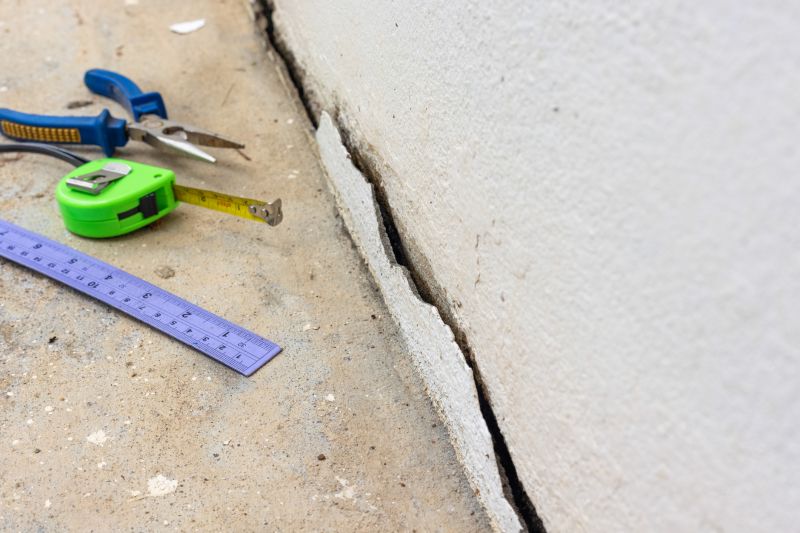
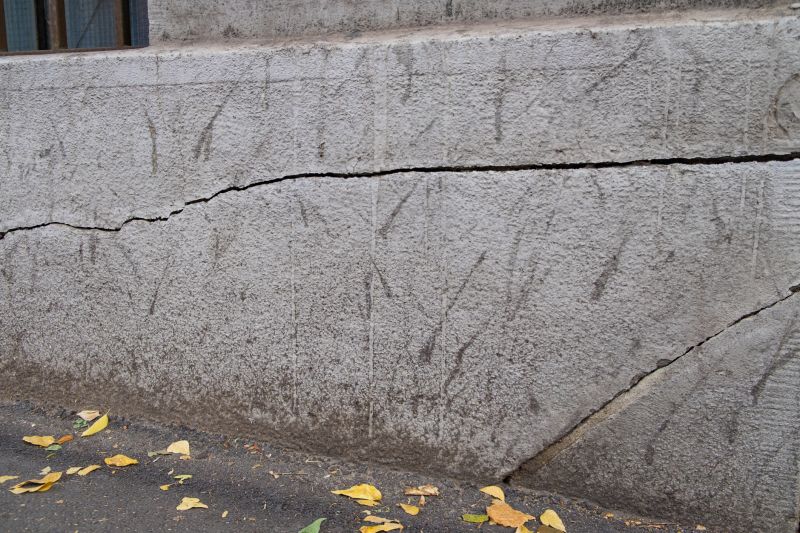
Cracks in concrete foundations are a common concern for property owners, especially those noticing new or expanding fractures in their basement or crawl space walls. These cracks can develop from various factors such as shifting soil, temperature changes, or settling over time. While some small cracks may not pose immediate risks, larger or growing fractures can compromise the overall stability of a building’s foundation, potentially leading to uneven floors, sticking doors, or more serious structural issues if left unaddressed. Understanding how cracks in concrete foundations affect structural stability helps property owners recognize when professional repair services might be necessary to prevent further damage.
Local contractors experienced in concrete foundation crack repair are equipped to evaluate the severity of cracks and determine the best course of action. Repair methods can vary depending on the size and location of the cracks, but addressing issues early can help maintain the integrity of the structure. Property owners seeking to ensure their homes remain safe and stable often consider connecting with nearby service providers who specialize in foundation repairs. These professionals can provide solutions aimed at restoring strength and preventing future problems caused by cracks in concrete foundations.
How do cracks in concrete foundations impact structural stability? Cracks can weaken the foundation's ability to support the building, potentially leading to uneven settling or further damage if not properly repaired by experienced contractors.
What types of cracks are most concerning for foundation stability? Large, horizontal, or stair-step cracks are typically more serious and may indicate underlying issues that threaten the structural integrity, requiring assessment by local contractors.
Can small cracks in a concrete foundation affect its stability? While small, hairline cracks often don't pose immediate risks, they can sometimes expand or indicate deeper problems, making it important to have a professional evaluate the situation.
How do cracks in foundations influence the need for repair services? Visible cracks often signal underlying issues that can compromise stability; local service providers can determine if repair or reinforcement is necessary to maintain safety.
Why is it important to have cracks in concrete foundations inspected by local contractors? Professional inspection helps identify whether cracks are superficial or indicative of serious structural issues, ensuring appropriate repair services are performed to protect the building's stability.
Assessing foundation cracks - Property owners can evaluate the severity of cracks to determine if professional repair services are needed to maintain structural stability.
Prioritizing repair projects - Recognizing how cracks in concrete foundations affect structural stability helps homeowners decide when to seek local contractors for timely fixes.
Understanding repair options - Learning about different crack repair methods allows property owners to choose suitable solutions with local pros to prevent further damage.
Monitoring foundation health - Regularly inspecting foundation cracks can help detect signs of ongoing issues, guiding decisions to engage local contractors for repair services.
If you are thinking about how cracks in concrete foundations affect structural stability for a property, this guide is meant to help you understand this topic, the typical project types, and how different options might fit your plans.
When you are ready, you can use the quote form on this page to share a few details about your project. From there, local pros can review the basics and follow up with options that match what you have in mind.